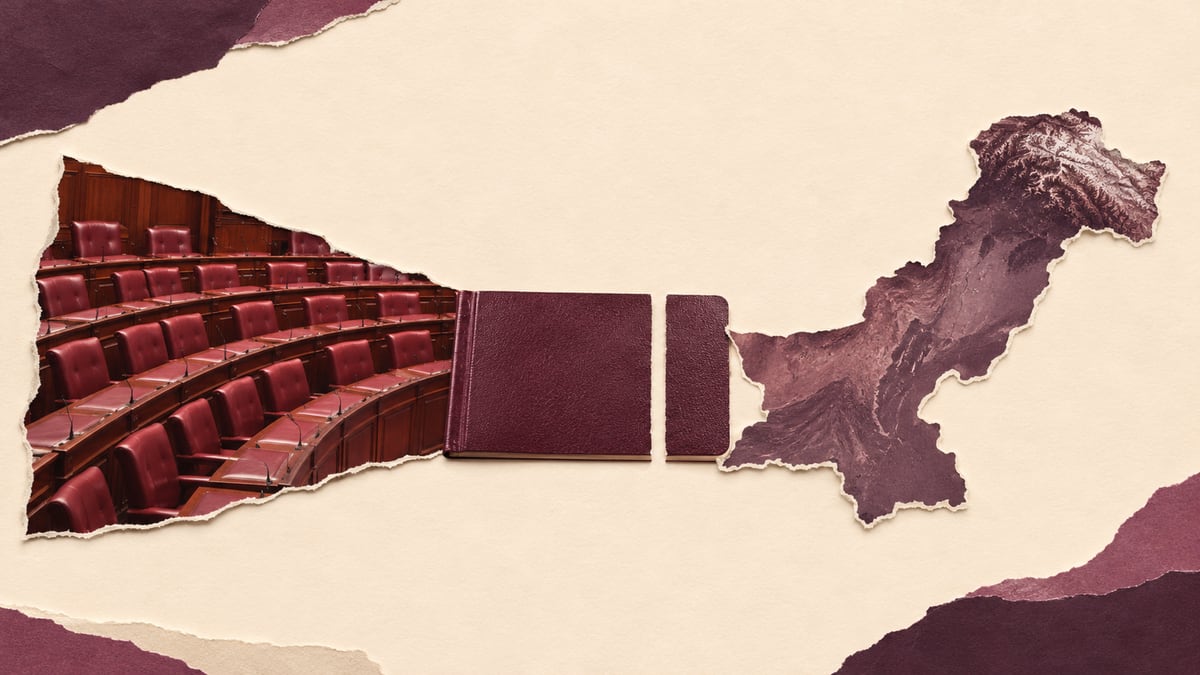
The government has declined to say whether it would sanction Pakistan to secure the deportation of Shabir Ahmed, the Rochdale grooming-gang ringleader. In the House of Lords, peers asked whether ministers would apply diplomatic and economic pressure so that Ahmed, now solely a Pakistani national, is removed from the United Kingdom.
Lord Cameron of Lochiel welcomed work to clear legal obstacles to deportation, while warning that new laws would achieve little if Pakistan continued to refuse him. He said the government had indicated it was willing to use all measures, and asked why it would not threaten comprehensive visa sanctions and the withdrawal of foreign aid.
Lord Collins of Highbury, deputy leader of the House of Lords, said Britain was pursuing every available option, but that it would be inappropriate to give a running commentary on the discussions. He said the immigration and asylum bill had been amended so that people convicted of serious offences, including Ahmed, can be removed, and that Ahmed has been deprived of British citizenship. He added that the government is determined to ensure he is deported.
Ahmed was sentenced to 19 years at Liverpool Crown Court in 2012, one of nine men convicted of offences against five girls. He was released in July after serving 14 years. The 73-year-old, known to his victims as Daddy, cannot currently be deported under a 1971 law covering Commonwealth citizens who arrived in the UK more than 50 years ago. He has already been stripped of British citizenship. Pakistan has said it will not accept his return.
After his release, Home Secretary Shabana Mahmood said she intended to close the loophole so that people convicted of serious crimes, including terrorism and child sexual exploitation, could be deported. The Immigration and Asylum Bill passed its third reading in the Commons on Tuesday by 290 votes to 94 and now goes to the Lords. The draft law is intended to speed the removal of failed asylum seekers, and would end the requirement that immigration officers give five working days’ notice before starting removal. Mahmood has called the bill the most significant migration reforms of modern times and said it would shut loopholes that have been exploited.
On Wednesday, Lord Collins said Labour had removed nearly 12,000 foreign national offenders since taking office in 2024, counting both enforced and voluntary returns. Baron Bailey of Paddington asked what message it sent to the most vulnerable people in the country if ministers would not press the Pakistani government to take Ahmed back.
Baron Mohammed of Tinsley said he deplored Ahmed’s crimes but warned against easy lines on international aid, noting that many people who benefit from British aid are women and girls. Lord Collins replied that the victims of those who had committed vile crimes should be uppermost in ministers’ minds, said the government had acted and that the system was fair and fast, and added that the country’s strong values on protecting people must not be forgotten.